
The Hidden Frameworks of Global Connectivity
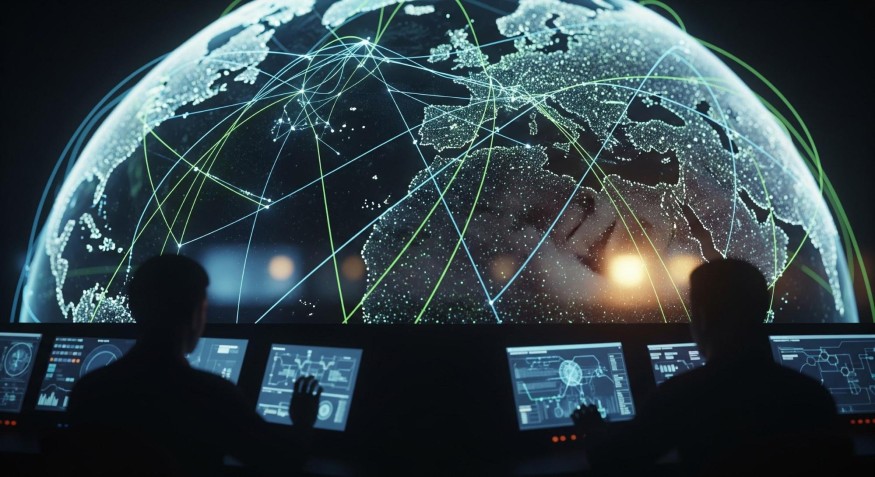
In the middle of the 2000s, the whole global telecommunications sector changed in a quiet but very influential way. On one hand, VoIP and high-speed gateways promised faster and better connectivity, but each invention, on the other hand, made the situation more vulnerable. Almost half of the whole systems had problems of interoperability, and security breaches increased. Even a small mistake in adhering to the protocols could cause a ripple effect that would disrupt not only the enterprises but also the consumers. In such a fragile environment, global communication depended on carefully validated protocol stacks as its first line of defense. A single misconfigured standard or an untested defect could trigger widespread operational failures. It could also lead to significant financial losses.
In Chennai, a city emerging as one of India's major technology hubs with a vibrant IT and telecom ecosystem, Kathiresan Jayabalan established himself as one such specialist entrusted with these critical validations. While at the time the world was enjoying the seamless calls and video streams, he was working on the protocol layers, security frameworks, and code that enabled such reliability. At a time when the vendors had trouble making dual-stack (IPv4/IPv6) systems stable and securing real-time communication, he created the validation frameworks, which worked as the solutions for the very core of their reliability and security problems.
"We weren't just testing software; we were safeguarding trust," Kathiresan recalls. "Every decision we made, every test we ran, contributed to the integrity of communications that millions relied on."
His job, although highly technical, was basically a strategic one. Kathiresan was one of the team members who validated and certified the VoIP and gateway products, and thus, he made sure of protocol compliance, embedded security, and maximum throughput. He got gold-level IPv6 Ready Logo certifications for the IPv6 Host Core as well as for the IPsec protocols through the tough TAHI test suites. This achievement not only ensured compliance with global interoperability standards but also opened the markets in North America and Europe. In a field where first-pass approvals were rare, his steady success not only sped up product launches but also provided a very clear competitive advantage.
Beyond ensuring compliance, Kathiresan recognized the human costs and broader inefficiencies of manual testing, including its delays, costs, and inconsistencies. He built an automation tool to validate SRTP and SRTCP protocols in full compliance with RFC 3711, enabling the secure, real-time transmission of audio and video across diverse hardware. This implementation reduced manual intervention by nearly 40%, reduced field trial failures, and accelerated product delivery. The transformation became the prototype for the thorough automation of complex compliance workflows.
While his automation of real-time streaming protocol validation delivered major efficiencies, his most influential contribution was the development of a flagship, high-performance dual-stack gateway. The device was built to sustain packet transmission of up to 2 Gbps under heavy IPsec tunnel loads across Linux and RTOS platforms, requiring exceptionally rigorous validation. Kathiresan accelerated performance and security testing, ensuring the device not only met enterprise SLA requirements but also incorporated federal-grade security standards. This proven reliability became a key competitive differentiator, setting a new industry performance benchmark for secure, high-throughput network infrastructure.
Kathiresan's role was primarily technical, yet it unavoidably grew into mentorship and strategic association. He worked seamlessly with firmware engineers, QA teams, and client stakeholders, creating a strong culture of cross-functional knowledge sharing. By mentoring junior engineers, he accelerated their expertise in protocol compliance and precise engineering to nearly half the usual learning curve. His dedication to knowledge transfer and team building became a powerful force that made the organization realize long-term excellence beyond the lifespan of any single project.
The ripple effects of his work were profound and extended across the industry. VoIP systems and home gateways that passed his rigorous validation delivered enhanced reliability and seamless interoperability. As a result, enterprises experienced fewer in-field failures, carriers gained certified interoperability, trusted performance, and end users enjoyed uninterrupted communication. His automation frameworks and high-throughput testing set industry benchmarks, elevating quality and performance standards and influencing practices well beyond his immediate organization.
Kathiresan was recognized for his remarkable expertise in IPv6 extension headers, IPsec key exchanges, and SRTP/SRTCP handshake procedures. Only a handful of engineers were brave enough to work in these intricate protocol stacks and security layers, yet Kathiresan always managed to bring the superior certification results even while the global interoperability problems were a major obstacle to VoIP adoption. His consistent accuracy and technical dependability were the mainstay the company required at the time of change that led to a new infrastructure.
"Automation wasn't about replacing people; it was about empowering teams," he explains. "We could innovate faster because we were confident in the integrity of the networks we validated. Security and compliance weren't afterthoughts; they were the foundation."
Looking back at the past, engineers like Kathiresan reveal themselves as the unsung guardians of worldwide connections. Their thorough and, often, invisible effort enables seamless communication for businesses, governments, and individuals across continents. By mastering core network protocols, employing automation, and maintaining a relentless focus on performance and security, he contributed significantly to the establishment of the strong, safe communication networks that our world increasingly relies on today.
In the mid-2000s, during the time when VoIP was not yet fully developed, and dual-stack gateways posed major technical challenges, he made silent but vital contributions. His work stands as a reminder of the meticulous human efforts behind our digital world being connected, engineers like Kathiresan who make global connectivity possible, ensuring it is safe, reliable, and uninterrupted. If we consider it from a hindsight view, his work not only determined the path of his company but also, through a very gradual way, the whole industry standards. Thus, his legacy remains to be experienced by the end-users and businesses all over the world.
© 2026 MoneyTimes.com All rights reserved. Do not reproduce without permission.
Latest News


Newsletters
Stay ahead in finance. Subscribe for expert insights, market updates, and investment strategies. Join our newsletter to secure your financial future.

Most Popular


